
Stop Destroying Videogames: the European Commission's response, and why the fight continues
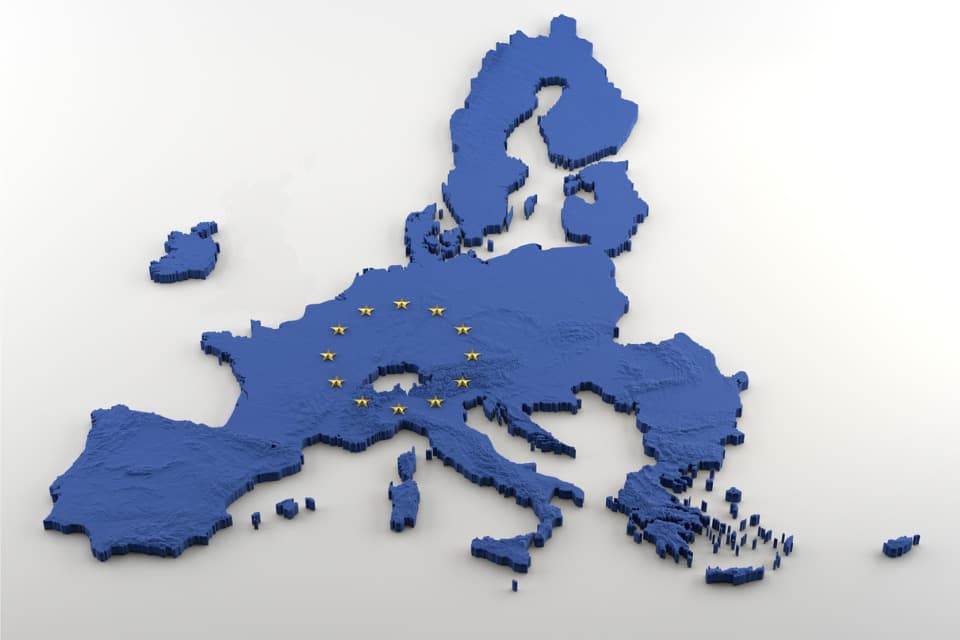
It was one of the most eagerly awaited moments for the gaming community. On 16 June 2026, the European Commission delivered its official response to the European Citizens' Initiative (ECI) "Stop Destroying Videogames". The verdict: no new legislation at this stage. Here is our breakdown, and why this is not the end of the story.
Background
Born in the wake of the shutdown of The Crew by Ubisoft in 2024, the initiative called for publishers to be required to leave their games in a playable state after commercial support ends (offline mode, community servers, and so on). Championed notably by Ross Scott, it cleared every required threshold:
- submitted to the Commission on 26 January 2026;
- 1,294,188 verified signatures (around 1.3 million);
- thresholds reached in 24 Member States.
A valid ECI obliges the Commission to respond, but not to legislate.
What the Commission answered
In its response of 16 June 2026, the Commission states that it cannot, at this stage, propose a legal obligation to keep games playable after their commercialisation ends. Its main argument: the intellectual property rights of publishers. It nevertheless stresses that European consumer law already offers players significant safeguards.
Instead of a law, the Commission commits to:
- launching, by the end of 2026, a dialogue with the industry and consumer representatives to draw up a voluntary code of conduct on managing the "end of life" of games;
- working with associations and authorities to raise awareness of consumers' existing rights.
Our analysis: a predictable response, and the real lever lies elsewhere
This response comes as no surprise. Tackling the problem head-on, by demanding a new and specific law, meant colliding directly with the terrain most favourable to publishers: copyright. A "voluntary code of conduct" with no binding force is very likely to remain a dead letter, as the history of the industry's voluntary commitments has shown.
But the fight is not lost; it simply has to aim in the right direction. The real lever is not to create rights, it is to enforce those that already exist:
- Directive (EU) 2019/770 (digital content) and the law on unfair terms already make it possible to challenge practices such as discretionary termination or unilateral modification.
- The RGPD and the DSA, designed to discipline the digital giants, contain requirements that can be transposed to abuses in the video game sector (transparency, consent, fair interfaces).
- Above all, the forthcoming Digital Fairness Act, still in preparation, targets precisely dark patterns, subscription traps and manipulative designs. That is where players' demands have the best chance of being heard, and it is now, while this text is being written, that pressure must be applied.
A petition you sign and then forget carries no weight. What matters is sustained mobilisation: making noise, rallying content creators, and demanding the enforcement of laws that already exist. Tomorrow's law is being decided right now.
Sources: European Commission, response to the ECI (16 June 2026) · Official initiative record.
Official references
Rate this article
4.5/5 · 4 vote
Comments (0)
Be the first to comment on this article.