
Unfair terms in game T&Cs: what you need to know
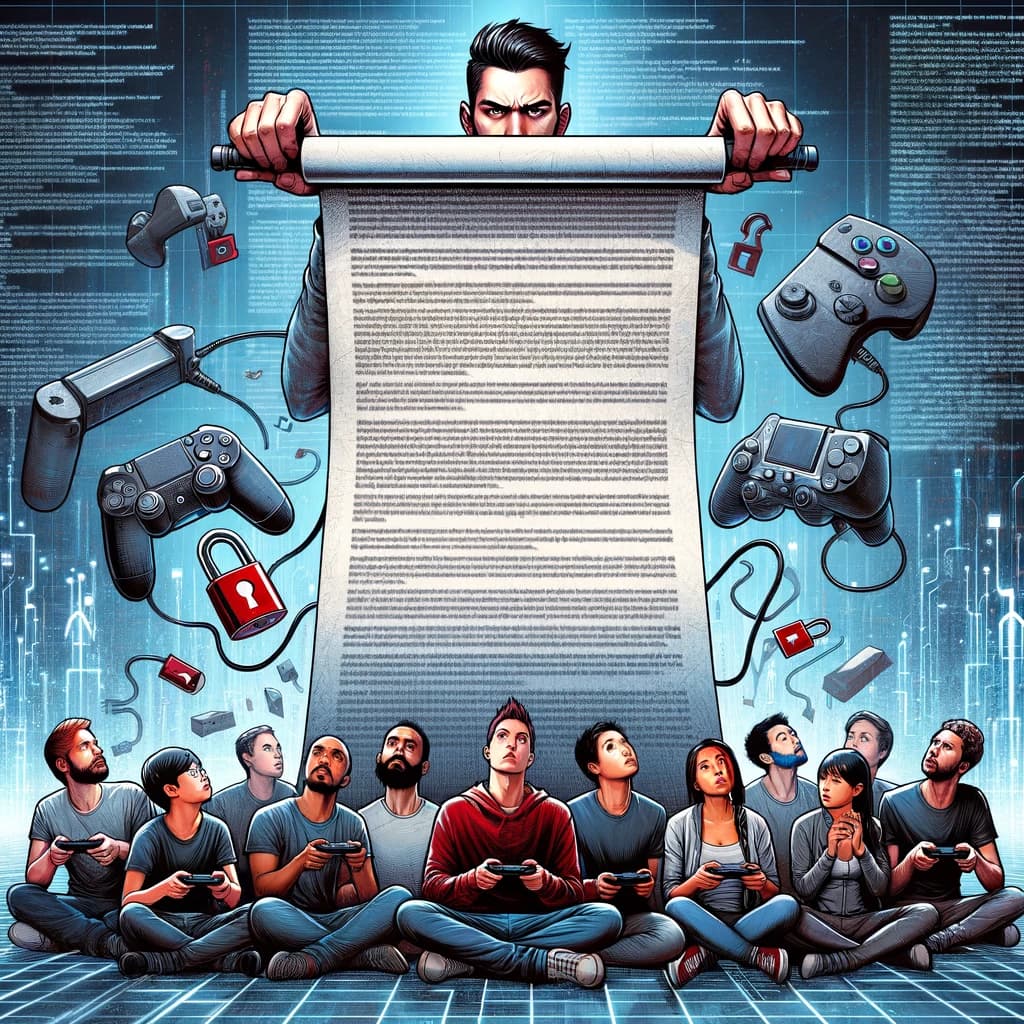
The General Terms and Conditions of Use (CGU) define your rights and obligations towards a publisher. Having "accepted" them does not make them all valid: consumer law neutralises unfair terms.
What is an unfair term?
A term is unfair when it creates a significant imbalance between the rights and obligations of the parties, to the detriment of the consumer (Directive 93/13/EEC; in France, article L.212-1 of the Consumer Code). Such a term is deemed unwritten: it produces no effect, even if you clicked "I accept".
French law distinguishes two lists (articles R.212-1 and R.212-2 of the Consumer Code): a blacklist of irrebuttably unfair terms, and a greylist of terms presumed unfair, unless the professional proves otherwise.
Some examples in digital games
- Discretionary termination: "we may terminate your licence at any time, for any reason". A manifest imbalance.
- Unilateral modification: "we may change these terms without notice". Presumed unfair when it concerns the essential characteristics of the product.
- Imposed waiver of legal rights (such as the 14-day right of withdrawal) without clear information.
- Retention of funds from the platform's wallet, a point raised as early as 2019 in the UFC-Que Choisir case against Steam.
What can you do?
An unfair term can be set aside by a judge, and reported to the DGCCRF or to a consumer association. The balance of power is not what it seems: the fact that "it is written in the contract" does not mean that "it is legal". See also: law versus T&Cs, which prevails? and our analysis of Ubisoft's CLUF.
Official references
Rate this article
4.5/5 · 6 vote
Comments (0)
Be the first to comment on this article.