
When Sony deletes content "bought for life": the illusion of digital ownership
The debate over how long what you buy digitally really lasts saw a striking episode: Sony's announcement of the removal of more than 1,300 Discovery programmes from the PlayStation Store, content that had originally been sold as "lifetime access".
"Lifetime access"… until further notice
As GameBlog reported, Sony had warned users that this content, sometimes bought several years earlier, would stop being accessible, citing the expiry of the licensing agreements with the rights holder. The promise of perpetual access turned out, in practice, to hang entirely on a contract between two companies, over which the buyer has no say whatsoever.
Faced with the outcry, access was ultimately extended after an agreement between the parties. But the damage was done: the episode showed, in black and white, that "buying" digital content does not guarantee you will still have access to it tomorrow.
Why this goes beyond Discovery
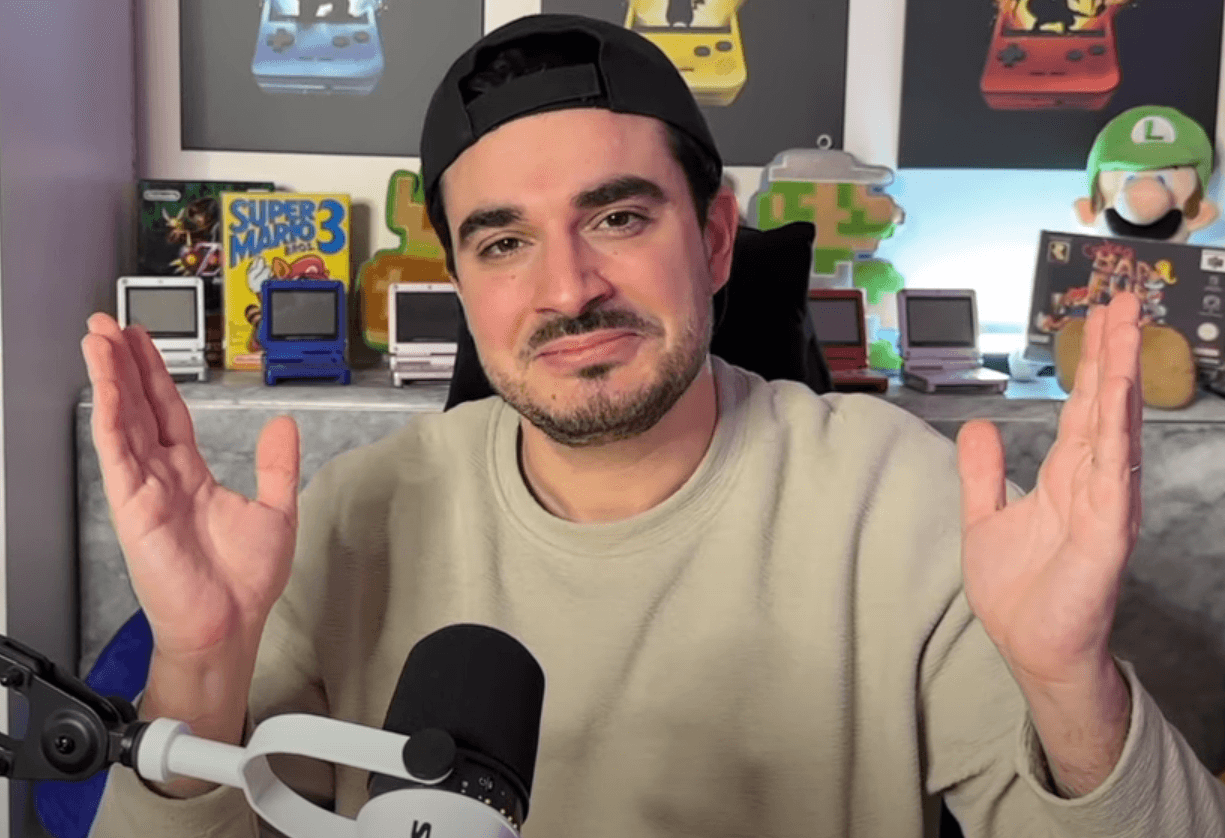
This case is not an isolated incident, it is a symptom. The same mechanism applies to games: a title can vanish from a catalogue, a service can shut down, a licence can expire. The mobilisation of content creators such as Conkerax, at the time, carried precisely this message: digital ownership, as it is sold today, is a fragile promise.
This is exactly why we must demand, at the very least, transparency (knowing that you are buying conditional access, not a good) and guarantees of continuity. Further reading: the illusion of the eternal physical copy.
Sources: GameBlog · PlayStation (legal notice).
Rate this article
4.5/5 · 6 vote
Comments (0)
Be the first to comment on this article.