
The eternal physical game: the great illusion
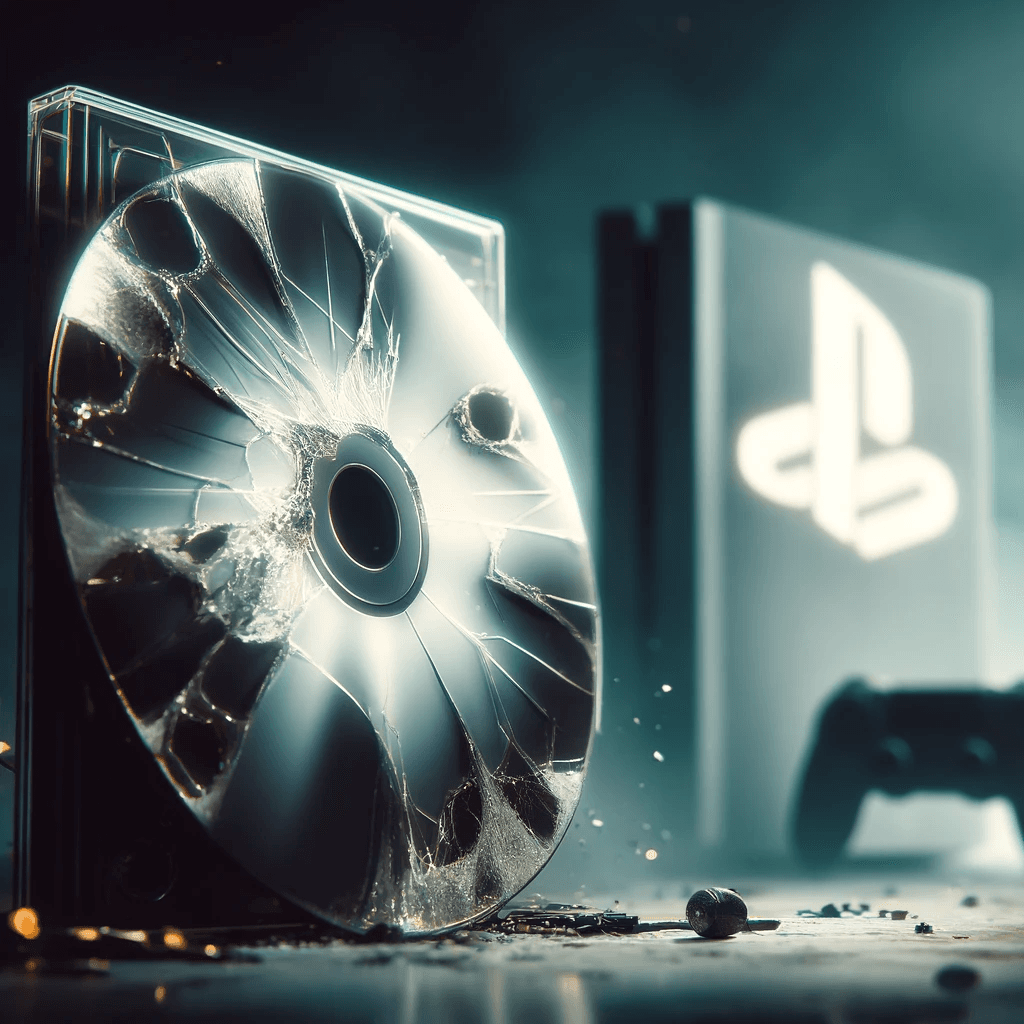
In gamers' imagination, the physical copy is a guarantee of eternal access: the disc is at your home, no one can take it from you. This reassuring belief has largely been an illusion since the era of connected consoles.
The disc does not contain only the game
Beyond the data, a modern game relies on a licence validation: an identifier that the console verifies. What happens if the licensing policy changes, or if a system update decides that certain keys are no longer valid? The console can, technically, refuse to launch the game, even though the data is still on the disc, intact.
"Physical has been dead since 2005"
This is not a figure of speech. Ever since consoles have been permanently connected, the PS3, the PSP, the Xbox 360, from the mid-2000s onward, a manufacturer has the technical means to ban a game remotely, via the firmware and its servers, including a game that you own in a box. On the medium there is a code; the system could decide never to run it again.
This has never happened on a large scale, but it has been possible for about twenty years. In other words: the sense of security that the disc provides no longer quite matches the technical reality. The real guarantee was never the plastic; it is the law.
The "semi-physical" games
The phenomenon worsens with games whose disc contains only a fraction of the content: massive day-one updates, essential content to download, patches without which the game does not work. The medium becomes a mere entry ticket, and the day the servers close, it is often no longer worth much.
The question is therefore not "physical or digital?", but "what rights, and what guarantees of duration, whatever the medium?"
Recommended reading: do you really own what you buy?
Rate this article
4.6/5 · 5 vote
Comments (0)
Be the first to comment on this article.