
At the European level: the texts that shape our digital rights
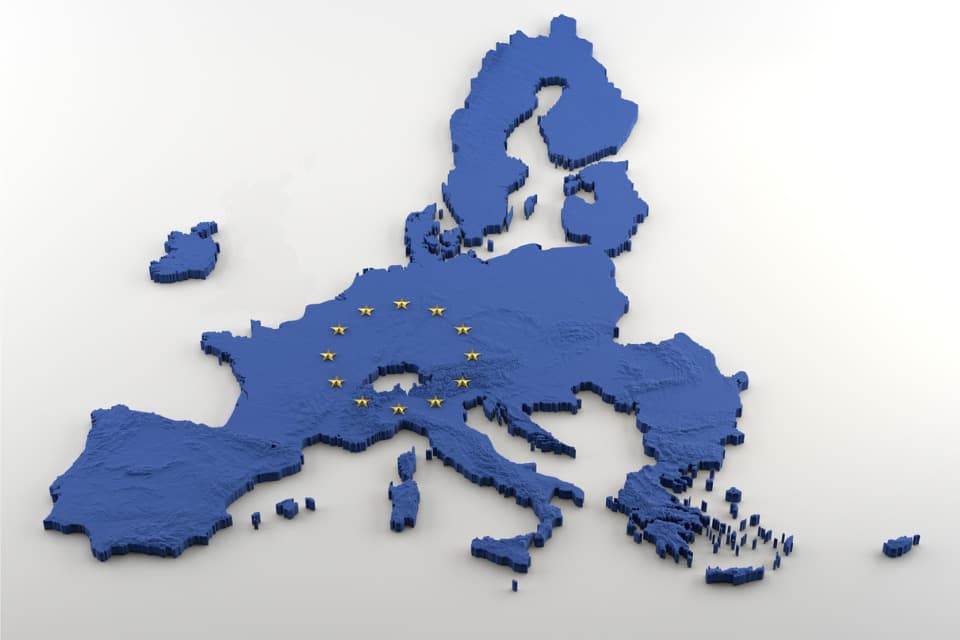
The fate of dematerialised games is largely decided in Brussels. For ten years, the European Union has been building, text after text, the legal framework of the digital world. Here are the milestones that matter for players, and what they actually deliver.
2019: the Digital Content Directive
Launched by a Commission initiative in 2015, Directive (EU) 2019/770 on contracts for the supply of digital content and services is the founding text. It establishes:
- consumer rights in the event of defective (non-conforming) digital content or service;
- the period during which the content must remain in conformity;
- the right to terminate a long-term or automatically renewed contract.
Its blind spot: it does not directly address the resale or preservation issues specific to video games.
2022: the DSA, a regulation (and not a directive)
Let us clarify a point that is often misreported: the Digital Services Act is a regulation (EU) 2022/2065, directly applicable, without transposition, and not a "directive". Adopted in 2022, it aims for a safer and fairer digital space: transparency of terms and algorithms, a ban on deceptive interfaces, and the fight against illegal content. It disciplines the platforms, not the content of licence agreements (see our analysis of the DSA).
Tomorrow: the Digital Fairness Act
This is the most eagerly awaited text. Currently in preparation, the Digital Fairness Act is set to tackle head-on dark patterns, addictive designs, subscription traps and unfair terms. For players, it is probably the best vehicle to advance their rights, and it is now, while it is being written, that they must exert their weight.
Europe's good fortune is to have rights. Yet they still need to be enforced, and we still need to take part in writing those that are to come.
See also: the Commission's response to Stop Destroying Videogames.
Official references
Rate this article
4.5/5 · 4 vote
Comments (1)
Excellent travail de recherche. Est-ce qu'il existe des recours collectifs envisagés au niveau européen ?