
Should we rethink "intellectual property" in video games?
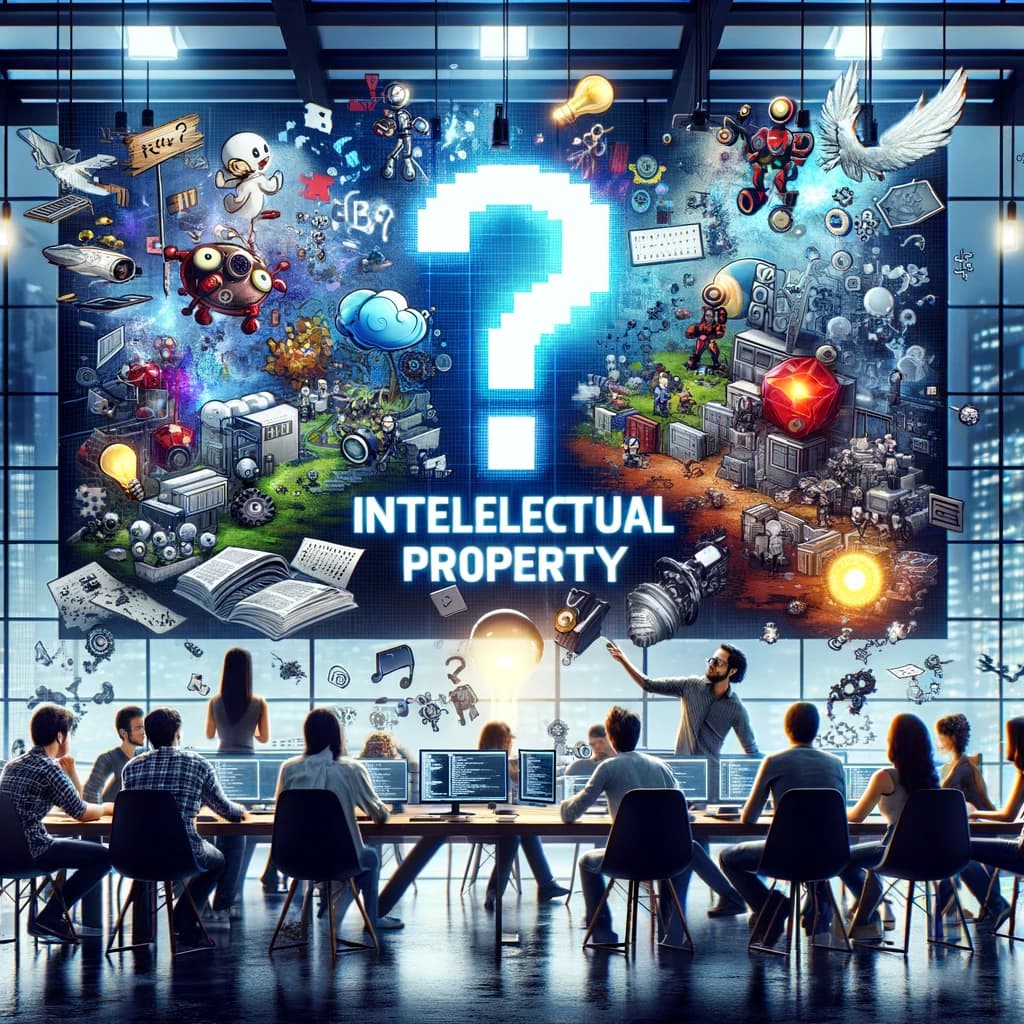
"Intellectual property" (IP) is omnipresent in video games. It grants publishers exclusive rights over their creations. But the expression deserves scrutiny: it shapes the way we think about games, and not always in the interest of culture.
What are we talking about?
Legally, "intellectual property" mainly covers, for a game, copyright (and related rights) and, for the trademark or certain technical elements, industrial property. It grants its holder exclusive rights: to authorise or prohibit copying, distribution, adaptation. This is what allows a publisher to decide the life or death of a game, of its remakes, remasters and sequels.
The paradox
A video game is not the work of a single isolated mind: it is a collective creation, developers, writers, artists, musicians, sometimes the community itself (mods, content). Yet the law grants control not to those who create, but to the entity that holds the rights: the publisher. Speaking of "intellectual" property masks this shift: what is protected, in practice, is an economic asset, not the intelligence of its authors.
Why it matters to players
This framework has direct consequences: it is in the name of IP that the impossibility of reselling is justified, the ban on community servers after a shutdown, or the refusal to let libraries preserve games. Rethinking the vocabulary, speaking of exploitation rights rather than "property", would help rebalance the debate between the interests of rights holders, those of creators, and those of the public.
Further reading: preservation and legal deposit.
Rate this article
4.5/5 · 4 vote
Comments (0)
Be the first to comment on this article.