
Reselling digital games: why publishers would gain too
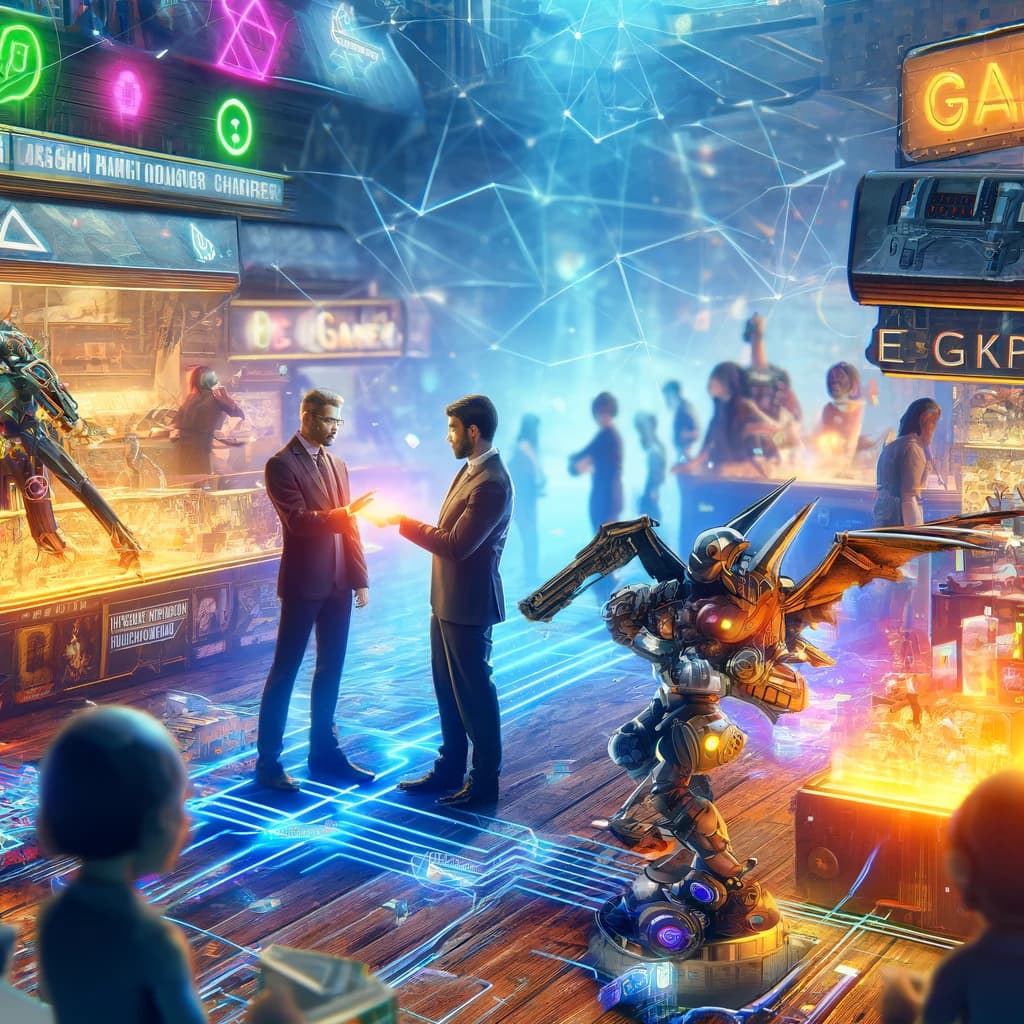
Publishers dread reselling the way they once dreaded piracy: they see it as lost income. On closer examination, this fear does not hold up, a regulated digital second-hand market would also serve their interests. Here is why.
1. Broadening the player base
Not everyone can afford to buy every game at full price. The second-hand market lets those with less money discover a title they would otherwise have ignored. Yet a player won over by the first instalment of a series is a future buyer, at full price this time, of the second. You do not buy the sequel to a story you never started: the second-hand market feeds future new sales.
2. Revenue on every resale
This is the major difference from physical second-hand sales. Today, when a player resells a disc, the publisher gets nothing, everything goes to the reseller. In a system of transferable digital licences, the law can provide that a commission goes to the publisher on every resale. Second-hand sales stop being a loss and become a recurring revenue stream.
3. A controlled market
Unlike physical second-hand sales, which are uncontrollable, a regulated digital market is governable: licence traceability, pricing rules, possible caps. The publisher keeps control of its ecosystem instead of merely enduring it.
4. Restoring trust
Every server shutdown, every game made unplayable, every resale refused erodes a little more the bond of trust with players. Offering a genuine right of resale, transparent and fair, means answering a deep-seated expectation, and turning a source of anger into a commercial asset.
The question is not whether these rights will come, but when. The industry may as well build this market to its own advantage, rather than being forced into it later, under less favourable conditions.
The proposed framework is detailed in our bill for fair reselling.
Rate this article
4.5/5 · 6 vote
Comments (0)
Be the first to comment on this article.